HarrowellHarrowell

Guides & Knowledge Base

Evaluating Effervescent Cleaners: Active Oxygen Versus Chlorine Bleach
Chemical Formulations3 min read

Evaluating Effervescent Cleaners: Active Oxygen Versus Chlorine Bleach

You can judge a sanitary cleanser by the nature of its oxidiser and whether it relies on caustic alkalinity to mask poor formulation. Understanding the difference between sodium hypochlorite and stabilized sodium percarbonate allows you to maintain ceramic surfaces without degrading nearby seals.
Moisture Management: Why Anhydrous Citric Acid Dictates Shelf Life
Manufacturing Standards3 min read

Moisture Management: Why Anhydrous Citric Acid Dictates Shelf Life

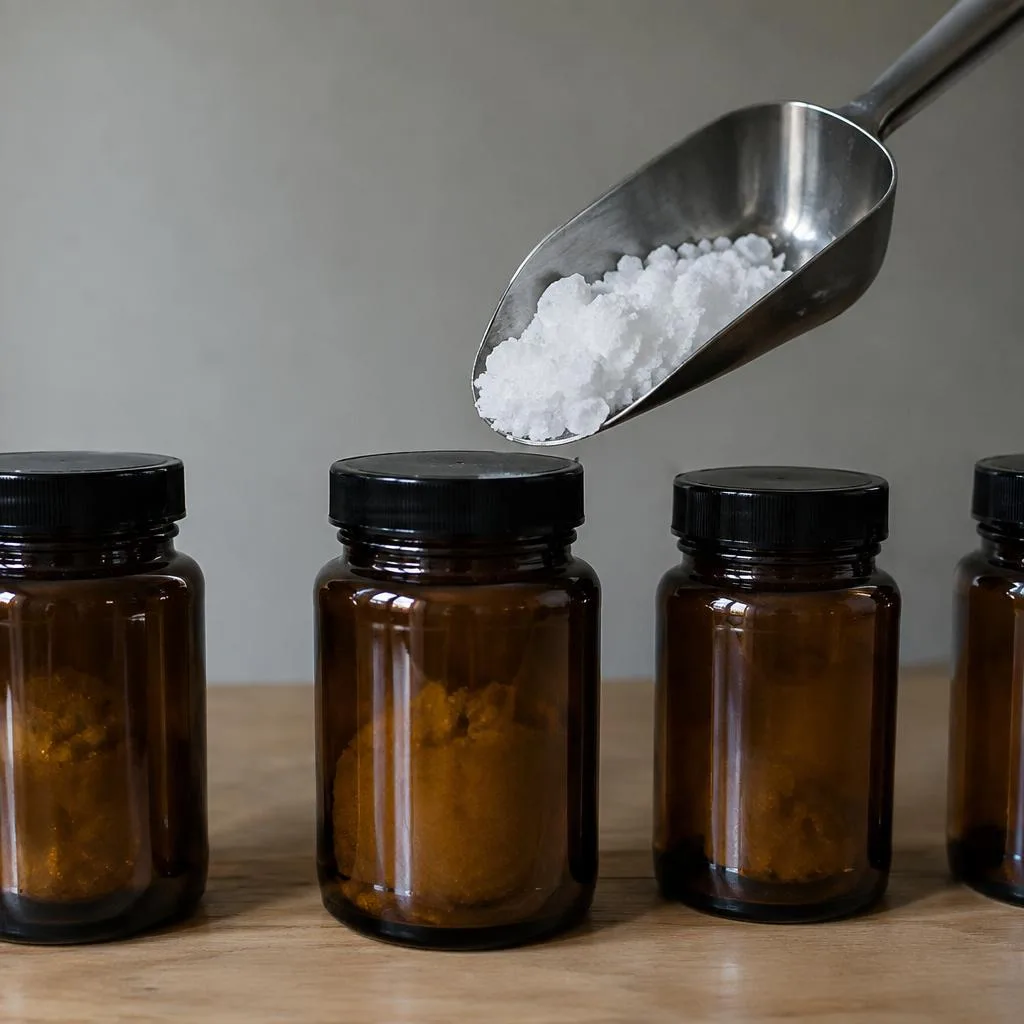
You will be able to store effervescent tablets for eighteen months without loss of potency once you understand how atmospheric humidity interacts with acid-base chemistry. A solid cleanser depends entirely on the exclusion of ambient moisture to prevent premature reaction in the jar.

Maintaining Vitreous China and High-Gloss Sanitary Ceramics
Surface Care2 min read

Maintaining Vitreous China and High-Gloss Sanitary Ceramics

You can preserve the original glaze on your sanitaryware by avoiding coarse abrasives and aggressive scouring pads during routine maintenance. Gentle chemical dissolution of lime deposits protects the ceramic surface far more effectively than physical force.

Surfactant Selection: The Function of Sodium Coco-Sulfate in Solid Cleaners
Ingredient Analysis3 min read

Surfactant Selection: The Function of Sodium Coco-Sulfate in Solid Cleaners

You will recognize how surface-active agents alter the cleaning process by lowering water tension without creating troublesome foam layers. Selecting the correct surfactant balance determines whether dissolved mineral deposits drain away cleanly or reattach to the ceramic wall.